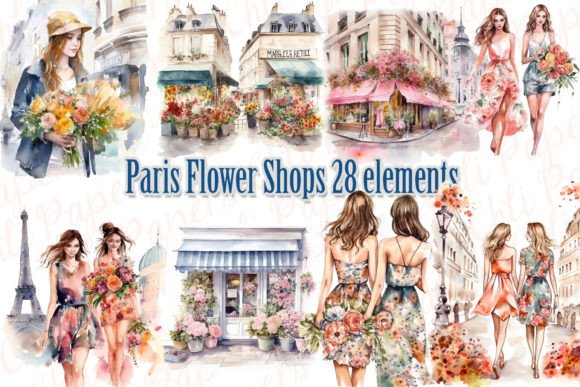
It’s the Sweatest Time of the Year: Integrating High-Quality Design Assets into Your Creative Workflow
The phrase It’s the Sweatest Time of the Year captures more than just a seasonal sentiment; it represents a peak period for creative output, social engagement, and personal expression. For designers, small business owners, and hobbyists alike, this timeframe demands efficiency without compromising on aesthetic quality. Whether you are preparing for a summer wedding, a corporate retreat, or a family reunion, the pressure to deliver polished, professional-grade materials is intense. This is where having access to reliable, high-resolution digital assets becomes not just a convenience, but a critical component of your workflow.
In the context of modern design processes, leveraging pre-made, high-quality PNG files can significantly reduce production time while maintaining a high standard of visual appeal. These assets serve as the foundational building blocks for a wide array of projects, allowing creators to focus on customization and strategic messaging rather than starting from scratch. By understanding how to integrate these resources effectively, you can streamline your operations and ensure consistent quality across all your deliverables.
The Role of High-Resolution Assets in Professional Design
When we discuss digital design resources, the technical specifications matter immensely. The assets associated with themes like It’s the Sweatest Time of the Year are typically provided as high-quality PNG files with a DPI of 300. This resolution is the industry standard for print media, ensuring that images remain crisp and clear whether they are scaled down for a business card or enlarged for a poster.
For professionals such as marketers, publishers, and freelance designers, working with 300 DPI files eliminates the common pitfall of pixelation. Unlike lower-resolution web graphics, which may appear blurry when printed, these high-definition files maintain their integrity across various mediums. This compatibility is crucial for maintaining brand consistency and professional credibility. When you receive files that are ready for immediate use, you bypass the time-consuming process of upscaling or recreating elements, allowing you to move directly to the implementation phase of your project.
Strategic Integration Across Multiple Platforms
The versatility of these design assets allows them to fit seamlessly into diverse workflows. Understanding where and how to apply them can enhance both the efficiency of your process and the impact of your final product. Here is how these assets interact with different stages of creation:
- Pre-Production Planning: Before launching a campaign or event, use these assets to create mood boards and concept drafts. Their transparent backgrounds make it easy to layer them over different color palettes and textures, helping you visualize the final outcome early in the process.
- Active Design Phase: During the execution stage, these PNGs can be dragged and dropped into software like Adobe Photoshop, Illustrator, Canva, or Procreate. Because they are high-quality, they respond well to adjustments in brightness, contrast, and saturation, allowing for seamless integration with your existing design elements.
- Final Output and Distribution: Whether the end goal is a digital flyer or a physical invitation, the 300 DPI specification ensures that the file is ready for both screen display and professional printing. This dual usability reduces the need for creating separate versions for different platforms.
Practical Applications for Various Industries
The utility of themed design assets extends far beyond simple decoration. They serve functional roles in communication and branding across several sectors. For entrepreneurs and small business owners, these files can be adapted for marketing materials that need to stand out in a crowded marketplace.
Event Planning and Hospitality
For wedding planners and event coordinators, time is often the most scarce resource. Using high-quality PNGs for wedding invitations, party invitations, and baby shower invitations allows for rapid prototyping of designs. You can quickly swap out text and colors while keeping the core graphical elements consistent. This ensures that all collateral, from save-the-dates to day-of signage, shares a cohesive visual language.
Educational and Corporate Communications
Educators and corporate trainers can utilize these assets to enhance presentations and brochures. A visually engaging slide deck or handout can improve retention and engagement. By incorporating thematic elements that resonate with the audience, you create a more memorable learning experience. The clarity of 300 DPI files ensures that details are visible even in large conference rooms or when printed in bulk for workshops.
Crafting and Personal Projects
For hobbyists involved in scrapbooking art and crafts, the quality of the source material directly impacts the tactile experience of the final product. High-resolution PNGs can be printed on sticker paper, fabric, or cardstock without losing detail. This opens up possibilities for custom decals, personalized gifts, and home decor items that look professionally manufactured.
Workflow Optimization and Quality Control
Integrating new assets into your routine requires a systematic approach to organization and quality control. To maximize the benefits of these files, consider implementing the following practices:
- Centralized Asset Management: Store your PNG files in a cloud-based folder system with clear naming conventions. Tagging files by theme, color, and usage rights makes retrieval faster during tight deadlines.
- Compatibility Checks: Before committing to a full design run, test the assets in your intended software. Ensure that the transparency layers function correctly and that the color profiles match your output device. This step prevents costly errors during the printing phase.
- Consistency Audits: When using multiple assets from the same collection, review them side-by-side to ensure visual harmony. Check for consistent line weights, color saturation, and stylistic elements. This attention to detail elevates the perceived value of your work.
- Backup and Archiving: Keep original files untouched and work on copies. This preserves the integrity of the source material for future projects, allowing you to reuse assets without degradation in quality.
Enhancing Efficiency Through Smart Resource Selection
Choosing the right resources is a decision that impacts your entire project lifecycle. High-quality PNG files offer a balance between flexibility and ease of use. Unlike vector files, which require specific software skills to manipulate, PNGs are universally compatible and easy to layer. However, unlike JPEGs, they support transparency, which is essential for modern, clean design aesthetics.
When selecting assets for your next project, consider the long-term usability of the files. A well-designed asset can be repurposed across multiple campaigns or events with minor adjustments. This scalability contributes to a more sustainable and efficient workflow, reducing the need to constantly purchase or create new graphics. By investing in high-quality resources upfront, you build a library of tools that support your creative goals over time.
Conclusion
Incorporating high-quality design assets into your workflow is a strategic move that enhances both productivity and output quality. Whether you are designing flyers, covers, or print templates, the availability of 300 DPI PNG files simplifies the technical aspects of design, allowing you to focus on creativity and message delivery. By organizing your resources, testing compatibility, and maintaining consistency, you can ensure that every project you undertake reflects professionalism and care. Embrace these tools to streamline your process and make the most of every creative opportunity.