Watercolor Landscape Illustration: Blending Nature’s Serenity with Digital Convenience
In an era where digital saturation often leads to visual fatigue, there is a growing appreciation for art that feels organic, tactile, and grounded. Watercolor landscape illustration has emerged as a powerful medium for bridging this gap. It offers the softness and unpredictability of traditional paint while leveraging the accessibility of modern digital distribution. Whether you are a professional designer looking for unique assets or a homeowner seeking to refresh your living space, understanding the value of these illustrations can transform how you approach creativity and decor.
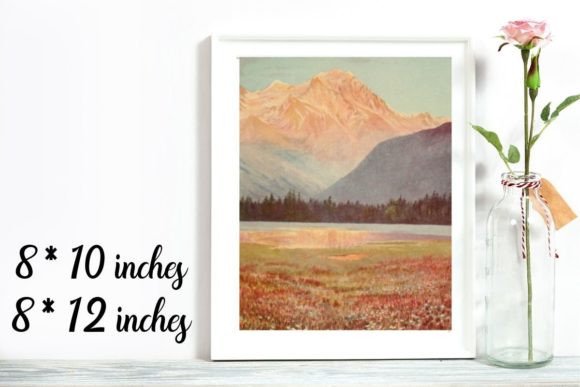
The appeal of watercolor lies in its transparency and fluidity. Unlike rigid vector graphics or hyper-realistic digital renders, watercolor captures the ephemeral quality of light and atmosphere. When applied to landscapes, particularly mountainous area illustrations, the medium excels at conveying depth and mood. The way pigments bleed into one another mimics the natural gradients found in misty valleys or sunset skies, creating a sense of calm that resonates with viewers on a subconscious level.
The Rise of Digital Vintage Aesthetics
Current design trends indicate a significant shift toward nostalgia and authenticity. Consumers and creators alike are moving away from sterile, corporate minimalism toward styles that feel handcrafted and lived-in. This is where the concept of a vintage image becomes crucial. A digital download that replicates the texture of aged paper or the slight imperfections of hand-painted strokes adds character to any project.
This evolution is not just about aesthetics; it reflects a change in user expectations. People want content that tells a story. A young wild plants illustration does more than depict flora; it suggests growth, resilience, and a connection to the untamed natural world. By integrating these elements into digital products, artists and sellers provide users with tools that carry emotional weight. This is particularly relevant for marketers and bloggers who need to create engaging visual narratives without the high cost of custom photography or commissioned paintings.
Versatility in Modern Creative Workflows
One of the most compelling aspects of purchasing a digital watercolor asset is its adaptability. In today’s fast-paced creative environment, efficiency is key. Having immediate access to high-quality images allows professionals to iterate quickly. Consider the practical implications for various users:
- Graphic Designers: Can use these illustrations as background layers for branding materials, adding a touch of elegance without overwhelming the primary message.
- Event Planners: Find that watercolor landscapes serve as perfect bases for images for invitations. The soft hues complement wedding themes, birthday celebrations, and corporate retreats alike.
- Educators and Content Creators: Utilize these visuals in presentations or blog posts to break up text and maintain reader engagement through visually soothing imagery.
The specific format of these digital products enhances their utility. Receiving files in standard sizes, such as 1 JPG Image 8 x 10 inches and 1 JPG Image 8 x 12 inches, ensures compatibility with most printing services and design software. This standardization removes the guesswork for users who may not have advanced technical skills, allowing them to focus on the creative application rather than file manipulation.
From Screen to Surface: Practical Applications
While the product is digital, its end use is often physical. The trend of DIY home decor has empowered individuals to take control of their interior design. Watercolor wall art painting prints allow homeowners to curate gallery walls that reflect their personal taste without the premium price tag of original artworks. The ability to print these images on demand means you can experiment with different frames, mats, and placements until the look is perfect.
Beyond wall art, these illustrations are invaluable for tactile crafts. Scrapbookers appreciate the high resolution and artistic detail, which hold up well when printed on specialty papers. The organic shapes of young wild plants and rugged mountainous areas provide excellent elements for collages and mixed-media projects. Crafters can cut out specific elements, layer them with other textures, or use them as decoupage materials for furniture and accessories.
For entrepreneurs selling handmade goods, incorporating these digital prints into product packaging or thank-you cards can elevate the unboxing experience. It signals attention to detail and an appreciation for beauty, fostering a stronger connection with customers. This aligns with the broader market preference for brands that demonstrate aesthetic coherence and thoughtful design.
Navigating the Digital Download Experience
It is essential to understand the nature of this transaction. When you purchase an instant download, you are acquiring a license to use the digital file, not a physical object. You will not receive any physical product or frame. This distinction is vital for setting accurate expectations. The immediacy of the download is a benefit, allowing for instant gratification and rapid project turnaround, but it requires the user to handle the printing process.
Another critical consideration is color fidelity. The colors on your screen might slightly differ from the actual print. This discrepancy occurs due to differences in monitor calibration, lighting conditions, and the printing technology used. Professional printers use CMYK color models, while screens display RGB. For best results, users should consider printing on high-quality matte or textured paper, which can enhance the watercolor effect by absorbing ink in a way that mimics traditional paper. Testing a small print run before committing to large formats is a prudent strategy for businesses and serious hobbyists.
Why Watercolor Landscapes Resonate Today
The popularity of watercolor landscape illustration is also tied to broader lifestyle shifts. As remote work becomes more common, people are spending more time in their home environments. There is a heightened desire to create spaces that promote mental well-being and reduce stress. Nature-inspired art serves this purpose effectively. Studies have shown that viewing images of nature can lower cortisol levels and improve focus. A serene mountain scene or a delicate botanical illustration can act as a visual anchor, providing a moment of tranquility in a busy day.
Furthermore, the sustainability aspect cannot be overlooked. Digital products eliminate the need for shipping, packaging, and inventory storage, reducing the carbon footprint associated with traditional retail. For environmentally conscious consumers, choosing a digital download over a mass-produced physical print is a small but meaningful step toward more sustainable consumption habits.
Maximizing Value for Creators and Buyers
To get the most out of these digital assets, consider the following recommendations:
- Check Resolution Requirements: Ensure your printer can handle the DPI (dots per inch) of the provided JPG files. Standard web resolution is often too low for high-quality prints, so verify that the files are print-ready.
- Experiment with Paper Types: Watercolor effects look best on papers with some tooth or texture. Try cold-press watercolor paper, cardstock, or even canvas prints to see which medium best captures the nuance of the illustration.
- Layering Techniques: If you are digitally savvy, use software to adjust brightness, contrast, or saturation to better match your specific brand colors or room decor. The flexibility of digital files allows for minor tweaks that can make a big difference.
- Contextual Pairing: When using these images for invitations or marketing materials, pair them with simple, elegant typography. Let the watercolor art breathe by avoiding cluttered layouts. The whitespace around the illustration is just as important as the image itself.
In conclusion, watercolor landscape illustration represents a harmonious blend of artistic tradition and digital convenience. It meets the modern demand for authentic, emotionally resonant visuals while offering the practical benefits of instant access and versatility. Whether used for wall art, scrapsbooks, or professional design projects, these images provide a timeless quality that enhances any creative endeavor. By understanding the nuances of digital printing and color management, users can fully leverage these assets to create beautiful, personalized outcomes that stand out in a crowded visual landscape.