Watercolor Teddy Bears Clipart: A Vintage Guide for Creators
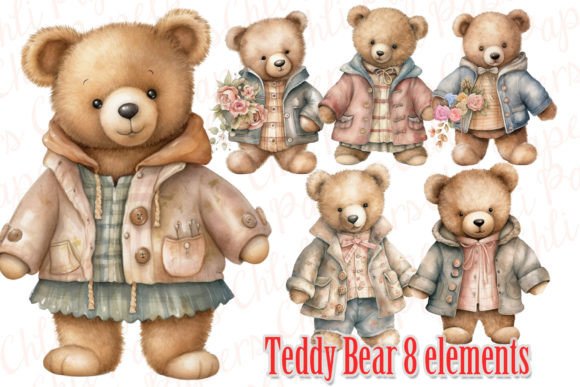
There is a distinct charm to vintage aesthetics that modern digital art often struggles to replicate. The soft bleed of pigment, the imperfect edges, and the nostalgic warmth of watercolor create an emotional connection with viewers that crisp vector lines simply cannot achieve. This is precisely why Watercolor Teddy Bears Clipart, Vintage styles have become a staple for designers, crafters, and small business owners looking to add a touch of whimsy and nostalgia to their projects. However, integrating these delicate assets into professional or personal work requires more than just dragging and dropping an image file. Many creators overlook critical technical details that can compromise the final quality of their prints or digital displays.
Understanding the nuances of high-resolution digital assets is essential for anyone serious about their craft. Whether you are designing wedding invitations, creating handmade stationery, or producing packaging for a small boutique, the quality of your source material dictates the quality of your output. Below, we explore common pitfalls when working with these specific clipart sets and provide practical advice on how to maximize their potential.
The Misconception of "Good Enough" Resolution
One of the most frequent mistakes beginners make is underestimating the importance of resolution. It is tempting to assume that any image found online will suffice for a quick project. However, when you are working with Vintage and Cute watercolor set elements intended for physical products, resolution is non-negotiable. A standard web image is typically 72 DPI (dots per inch), which looks fine on a screen but appears pixelated and blurry when printed.
To avoid this disappointment, always verify that your clipart is provided at 300 DPI. This is the industry standard for high-quality printing. For instance, the specific set discussed here offers images sized at 2200x2200 px. At 300 DPI, this allows you to print each teddy bear at approximately 7.3 inches by 7.3 inches without any loss of clarity. If you attempt to stretch a lower-resolution image to fit a large format, such as a hardcover journal or decorated furniture piece, the result will be unprofessional and muddy. Always check the specifications before purchasing or downloading to ensure they meet the physical dimensions of your intended project.
Overlooking the Power of Transparent Backgrounds
Another common oversight involves file formats. Many novice users download JPEG files, which come with a solid white background. While this might seem convenient, it severely limits your design flexibility. You cannot place a JPEG teddy bear onto a colored cardstock, patterned wrapping paper, or a textured invitation background without it looking like a clumsy cut-and-paste job.
This is why receiving PNG format with a transparent background is crucial. PNGs allow the intricate watercolor edges to blend seamlessly with your underlying design. When you use these 8 individual PNG images, you can layer them over complex backgrounds for scrapbooking layouts or decoupage projects without needing advanced photo editing skills to remove the background manually. This saves hours of work and ensures a polished, professional finish. If you are new to digital design, take the time to learn how to handle PNG layers in your software of choice; it is a foundational skill that will elevate all your future projects.
Ignoring Licensing and Usage Rights
Perhaps the most dangerous mistake entrepreneurs and small business owners make is ignoring licensing terms. Just because you purchased a clipart set does not automatically mean you can use it for any commercial purpose. Some licenses restrict usage to personal projects only, while others allow limited commercial use with attribution. Using assets incorrectly can lead to legal issues and damage your brand’s reputation.
Before incorporating Watercolor Teddy Bears Clipart, Vintage into products for sale—such as jewelry tags, party favors, or custom packaging—read the license agreement thoroughly. Look for clear permissions regarding "commercial use," "print-on-demand," and "digital product creation." A reputable seller will clearly outline what you can and cannot do. If the terms are ambiguous, contact the creator for clarification. Protecting your business starts with respecting intellectual property rights.
Neglecting Color Profile Compatibility
Watercolor art relies heavily on subtle color gradients and transparency effects. A frequent issue arises when there is a mismatch between your screen’s color profile (usually RGB) and your printer’s color profile (usually CMYK). Colors that look vibrant and warm on your monitor may print out dull or shifted if not managed correctly.
To mitigate this, consider doing a test print on the same paper stock you intend to use for the final product. Paper texture and absorbency significantly affect how watercolor designs appear. Glossy paper will make colors pop, while matte or textured cardstock will give a more authentic, rustic feel but may darken the tones slightly. Adjust your brightness and contrast settings based on these test prints rather than relying solely on what you see on your screen. This step is particularly important for items like place cards and wedding invitations, where color consistency across multiple pieces is vital for a cohesive look.
Underutilizing the Versatility of the Set
Finally, many creators limit themselves to obvious applications. Because these are teddy bears, it is easy to pigeonhole them into baby showers or children’s birthday parties. However, the vintage aspect of these illustrations opens up a broader range of possibilities. Think about using them for nostalgic branding, autumn-themed marketing materials, or even sophisticated journal covers for adult planners.
Here are several creative ways to expand your usage:
- Handmade Stationery: Combine the bears with botanical elements for a unique letterhead design.
- Decoupage: Print on thin rice paper to apply onto wooden boxes or furniture for a shabby-chic aesthetic.
- Packaging: Use smaller scaled versions as seals for artisanal food jars or candle boxes.
- Digital Products: Incorporate them into printable planners or digital stickers for tablet users.
By thinking beyond the immediate subject matter, you can extract more value from your purchase and create diverse product lines. The key is to experiment with composition, scale, and accompanying design elements to suit different audiences.
Making the Right Choice for Your Project
When evaluating whether this specific set is right for you, consider your current toolkit and project goals. Do you have access to software that handles PNG layers? Are your projects primarily digital or physical? If you are focusing on high-volume printing, ensure your printer can handle the detail present in 300 DPI files. If you are a beginner, start with simple projects like tags or cards to build confidence before tackling larger items like hardcovers or wrapping paper.
Remember, quality clipart is an investment in your brand’s visual identity. Taking the time to understand technical requirements, licensing, and creative application will save you time, money, and frustration in the long run. By avoiding these common mistakes, you can fully leverage the charm and versatility of Watercolor Teddy Bears Clipart, Vintage to create stunning, memorable designs that resonate with your audience. Thank you for visiting my shop, and happy creating!